Showing posts with label College Students. Show all posts

Tuesday, November 12, 2019

Essay Phobia

Do you have Essay Phobia?
Do you see the words “write an essay” and feel like a deflated balloon?

Did you ever write an essay you thought was brilliant, and got an “F” on it?
Do you feel like the way you write an essay is never going to have a big impact on your life?
Consider this: you will have to write essays for school in almost every subject. Essay writing is part of the ACT test. You will often have to write them as part of college applications, and also for scholarships. If you go on to graduate school, you will still be writing essays that will be a big part of your grades. The quality of an essay could make all the difference in a grade, an acceptance to a school, or being awarded a scholarship or not.

Some common mistakes in essays:
  • Run-on sentences (like when you write something that goes on for several lines and there isn't any punctuation and when people get to the end of it they feel like they need to take a breath like this one).
  • incomplete sentences (examples: 'Because I could.' or, 'Yesterday.')
  • Incorrect spelling
  • Incorrect use of apostrophes or dashes (it isn't 'Do your test's or 'pick-up your garbage.')
  • Descriptions that are too 'wordy' or too dramatic
  • Wandering off the subject
  • Did you ever notice that in Word, the number of words you have typed (as well as how many pages) is at the bottom left corner? You might be assigned a 1000 word essay, and that's how you can keep track of the number of words you have so far.
If you're stuck as to where to start, try starting with an outline--a plan on what the essay will include.
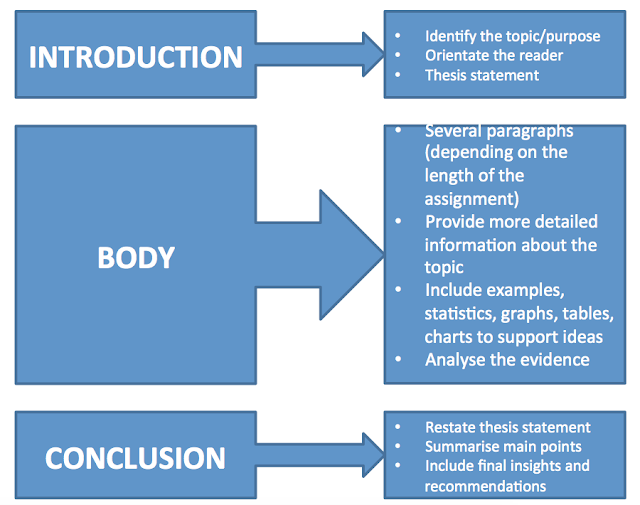


So, how do you know if your essay is written well enough to submit? Here are some suggestions:
  • First, use spell check. Fix spelling errors. It will also alert you when words should be capitalized and possible grammar mistakes. Be sure to fix and then save.
  • If you're stumped for a word, try the thesaurus that's part of your Word program.
  • Check with a tutor. Colleges and high schools often have a tutoring center.
  • There may be another instructor who'd be willing to look at your work and make suggestions.
  • You can try an online tutoring app.

Here are some online sites you might try for help with writing:   https://www.grammarly.com/?q=essay&utm_source=bing&utm_medium=cpc&utm_campaign=Search&utm_term=%2Bfree%20%2Bessay%20%2Bwriter&matchtype=b&msclkid=39400f7ea2791557810152e2056d91e9  
You can also try:  
https://www.tutor.com/subjects/essay-writing
        This site offers online tutoring in other subjects as well. 

 https://www.slickwrite.com/#!home
Don't be scared: It's only an essay!


Tuesday, January 22, 2019

Spring Semester: How's It Going?

You made it though Fall Semester-congrats!! What will you do differently this semester? What worked and what didn't? What do you wish you had known back in August of 2018?  Four top concerns of college students are...
 
Time... It doesn't hurt to over estimate how much time you'll need for ....
  • Finding a parking spot and walking in to class: it's amazing how far away you have to park sometimes.
  • Studying. And, some courses take more study time than others, which you can't necessarily predict
  • Sleep
  • Everyday things like showering, laundry, putting gas in the car
  • Work
    • Do you need more hours, or less?
  • Activities, whether at school or at home
    • Does being involved in an activity make it hard to study? Can you spend less time on that activity?


Money-be aware of...


Stress
What stresses you out the most....
  • Grades
    • Get tutors as soon as you know you need them.
    • Be sure you haven't signed up for too many credits.
    • Talk to your advisor about any issues as they arise, not when they're out of hand.
    • Speak to your instructor when you're lost, or about your grades. Not sure? Ask how you're doing. 
    • If you get to know your instructor, that can also help if you run into an emergency such as getting really sick in the middle of the semester.
    • Are you taking any online classes? How is that going?
  • Relationships: parents, friends, roommates, partner or spouse: Keep communications open-these folks are your support team. Be sure you let them know how much they help, as well as when you can't be available.
  • Worrying about the future: Will you pass that class? Will you graduate? Will you have a good career? If these things bother you, be sure to see your advisor to explore the answers so you can feel confident as you work on your degree.
  • Do you take any time to de-stress? Here is a 5 minute exercise in conscious breathing while letting your body relax: https://5minutemeditation.com/

Planning...
     

 Here's to making this semester even more successful than the last!

Monday, December 3, 2018

How Can It Be This Late? Time Management Tips

Do you ever look at the time and think? How'd that happen, it was only 1:00 ten minutes ago and now it's 4:30?


Time management can be a challenge, what with work, school, study, family, friends, and all the other things that gobble up time... but we found some tips that might help:
  • Use. A. Planner. It can be in any form, a notebook will even work. You may have an app for your phone or computer, but it may be best for some to have an actual calendar on paper--a really, really big one. If you write in absolutely everything you need to do, you can keep it right where you'll see it every day, and follow along.


  • Take the syllabus from each class and put important due dates on it. You can then plan to have parts of your assignments done in smaller chunks: If an assignment is due on the 20th of the month, then put in 'work on pages 10 to 30' one day, then 'work on pages 30 to 60,' etc. so by the 20th, you've covered everything.
  • Make priorities in your days: What absolutely has to get done and by what date, and what can wait till the next week?


  • Make your study space comfortable, even inviting. Nobody likes to try and work where there's too much noise, or no space, or no supplies. A stash of snacks in the area will avoid you getting up to find them and getting off task. Messy snacks? Have some hand wipes close so you don't get up to wash hands and wind up watching TV or playing a game.
  • And be sure there's enough light!
  • Know yourself, and your 'style' of working. Do you work best with no noise, or with headphones on (be honest here). What distracts you too much? What helps you concentrate? You might look for a quiet spot no  one has discovered and make it yours.


  • Use even the smallest bits of time to do something. In 10 minutes, you can empty the wastebasket, wipe down a countertop, or clean a sink. You can grab a folder and put all the stuff for tomorrow's classes in there. You can take out your clothes for tomorrow. If you really hurry you could probably even take a shower in 10 minutes. Or, of course, study for 10 minutes on something you always put off.
  • You can set a time limit for how long you're going to work on something, whether that's a chore or studying: I'll give this thing 1 hour of my day and no more. Then do it!
  • Set timers! You can use a kitchen timer, or of course there are alarm 'clocks' on phones, laptops, tablets, and even watches, often. If you use your phone, put it out of your easy reach, but where you'll hear it. Set the alarm to go off in a certain amount of time, then get to work and wait till you hear it go off. Use timers to wake up in the morning or remind you that you have an appointment or a class.


  • And of course, no social media while you're studying. That will all wait, it really will. Talk about a time-waster!
  • If you are in a time crunch, and who isn't, don't be shy to tell people you simply do not have time for anything other than study this afternoon (or whenever), and don't feel guilty about it. Learn to say 'no' when you need to. You also need time to rest, and you can say so.
  • If you find yourself studying into the wee hours of the night, put a stop to that and be sure you get enough sleep. You won't be absorbing information if you're barely awake.
  • Eat some brain-power foods: Nuts, apples, berries, granola, yogurt, raw vegetables--graze away to give you some solid calories (as opposed to candy or chips)
  • Drink plenty of water-always have a water bottle by your side.
  • Get up and stretch once in a while. Do a simple exercise or walk for five minutes now and then.
  • Sometimes, you'll need to be flexible. Situations will come up when you have to switch out your schedule, and that's OK, as long as you're usually following the plan.
How to set a reminder if you have an Iphone: https://support.apple.com/en-us/HT205890
Android: https://www.wikihow.tech/Create-Reminders-on-an-Android  There are 'outside apps' available as well.  Often the alarm lets you make a note, so you can say "one hour of studying English," or "Lunch break," in case you forget to eat!

A little planning can help you feel less stressed and more in control. Hopefully, some of these tips will be helpful.


Tuesday, November 13, 2018

How to Adult: Making a Doctor Appointment

Once you're on your own, whether away from home at college or starting life as an adult, you'll eventually need to tend to your health; namely, you're going to need to see a doctor for some reason, or at least get to a pharmacy for some help to feel better.
 
First, how to know you are 'sick enough' to be seen by a doctor. Here are some guidelines, but truly: if you feel incredibly sick, then you're sick enough.

  • Do you know how to take your temperature? You can get a digital thermometer at a pharmacy, they're easy to use if you follow the directions. Normal is usually 98.6. If it's more than 100, it might indicate you're fighting something.
  • A bad cough may indicate a respiratory infection
  • Vomiting and/or diarrhea that just won't stop after 24 hours and laying off food, should be checked out
  • If your chest aches, you may have any number of respiratory issues
  • A very raw sore throat may be strep. However, strep doesn't always cause a sore throat. It also can be shown by feeling nauseous, headaches, and a rash.
  • For women, if you are not sure whether you have a yeast infection, you should see a doctor.
  • You also should be seen if you are having depression that won't ease up. Don't feel like it's not important enough, it is.

While you wait for your appointment, here are some things to try that may help:
Cold/Cough/Chest/Sore Throat - Lots (Lots) of liquids, particularly water; cough drops or anything to suck on that soothes your throat; salt water gargle; ice pops; keeping warm; sleep. Tylenol or ibuprofen for aches and pains (have a little food with ibuprofen as it upsets the stomach)


Vomiting, stomach upset - flat or sometimes fizzy soft drinks, especially clear ones; nothing but clear liquids for 24 hours and then bland foods like soda crackers, bananas, applesauce, plain cooked rice. Have small amounts at a time and see if it stays put.


For any illness, you may want to try products OTC (over the counter) to see if they help-ask a pharmacist for suggestions.


How do you make an appointment?
It doesn't matter if you are at home or away at college, it's the same procedure: First, you call the clinic. Have an idea what time you'll be able to come in. If you prefer a certain doctor or nurse practitioner, say you want to make an appointment with her. Otherwise, just say you need to be seen. They will ask what your symptoms are. This is so they are prepared for possible lab tests or anything else they commonly do, and to gauge how long an appointment you will need. They will tell you what times are available. You can choose the time you want. Write it down so you don't forget.
 
They will ask what insurance you have. Be sure you can answer that one. They will likely want a copy of your insurance card when you come in for your appointment.
 
Show up on time or a bit early for your appointment, and have your debit card with you for the copay. Go to the checkin desk and tell them who you are, and that you have an appointment at 9:00  with Mary Jones, for instance. They'll ask for your insurance card and possibly a co-pay. Get a receipt for that and keep it in a safe place.
 
When they call your name to go to your exam room, answer the doctor's questions as well as you can. It's hard to diagnose when you're not being clear. She will listen to your heart and lungs, look in your ears and at your throat, examine your lymph glands (below your ears), and may have you lay down so she can palpate (feel) your belly, and will need to examine anything that might indicate what the problem is. She may want to do lab tests such as a white blood count. That will indicate if you are fighting an infection. If there is anything at all you don't understand, ask the person to explain.


It's possible your doctor will determine that you have something viral, and antibiotics won't help.

You can also ask the doctor to write down your instructions for when you leave; most of them will give you a printout to take home with you.


It is important to know if you have any allergies to any kind of medication. Ask your parent if you don't know. If you have seen this same doctor for a few times, he or she will likely know and will prescribe only drugs that are safe for you to take.


If you have something viral, then a prescription won't help. The doctor can suggest ways for you to soothe your symptoms.
If you get a prescription, and they don't fill it at the doctor's office, here's how you get it filled.


Some doctors will call in your prescription for you at the end of your appointment (know where you want them to send it to be filled). If you get a slip of paper, called a scrip, take the scrip to your pharmacy and give it to the person working there. If you're not in their records they may ask for your information. They'll also need to know what insurance you use. They may be able to fill it while you wait, or may have you come back.


Once it is ready, you pay the copay and they give you your medicine. Ask any questions you have, and they may tell you not to take this medication with certain foods. Pay attention to that: Sometimes if you take a medication with orange juice, for example, it wipes out the effect of the medication. There will be cautions printed on the paper you get with the prescription. If you have any questions, you can call the pharmacy and ask them.


Take the medication exactly as it says on the pill or liquid bottle, and finish it all, even if you start to feel better in a couple of days. If you finish it and still aren't better, call the doctor to see what she thinks you should do (another round of medication? Something different?).


Most of all, don't be afraid to see a doctor when you are concerned. They really want to help you feel better. And if it's something that will simply run its course, then you don't have to be worried about it anymore.


Take care of yourself!!

Monday, October 15, 2018

Ruh Roh!! I'm on Probation/Suspension....

You get this letter in the mail that says......
 
You have been placed on Academic Probation or Suspension.
 
What????
 
What does it mean?
To some extent, the college does want you to succeed and do well with your studies towards a degree. Most professors want their students to understand and enjoy the learning process. But, also there is this: Colleges want to be able to point to their completion rate, frankly, and they prefer not to have students who don't care about their education and/or who are doing failing work. Here is Anoka-Ramsey's policy regarding being in good standing academically, from the website: https://www.anokaramsey.edu/about-us/policies-disclosures/policies-procedures/policy-2c1-satisfactory-academic-progress/  If you scroll down you will see the policy regarding suspension.

You are placed on probation or suspension based on both your grades and how many courses you have completed (completion rate). If your GPA is less than 2.0 (C average), you may be placed on probation.


How to avoid it in the first place:
  • Be careful not to over-schedule yourself between classes, work, and other activities.
  • Track how you're doing: Ask your instructors about your grades at least by mid-term or earlier. You probably know which ones you are struggling with, but it doesn't hurt to check on each class just to be sure-you may be doing better or worse than you think. Make note of your instructors' office hours so you know when you can meet with them.
  • If you need some help with tutoring, visit the Academic Support Center and get scheduled with a tutor. Be clear on what you don't understand or need help with.
  • Don't try to 'fake' your way through a class.
  • Don't assume your class will get you an 'Easy A.'
  • Ask your TRIO advisor what you can do to stay afloat.
  • Are you putting in enough hours of study? Are you organized? Do you get enough sleep? Are you eating well? Be sure you're doing everything you can to succeed.
  • If you are truly struggling, ask your advisor if you should drop the course rather than stay in and possible get an F for your grade. That will stay on your transcript until you re-take the course and get a better grade. However, don't drop a course without checking with your advisor. It can affect your financial aid status.


You will receive a letter from the college if they are placing you on probation. There is at least one form to fill out in order to appeal. Ask your TRIO advisor to assist you with it.

Things the appeals committee might ask, in person or in writing:
  • What happened to cause you to be on probation or suspension?
  • How has this situation changed, or how have you become better able to handle it?
  • What kind of support do you have to pursue your education?
  • What will you do if this same stress continues or shows up again?
  • Why should we take a chance on you? 


Whether you're talking in person to the appeals folks, or writing a letter to explain your situation, remember these tips:
  • Prepare: know what you're going to say, and do your best to be organized with your thoughts.
  • If in person, be sure you appear dressed like this meeting means something, because it does.
  • Be honest. What happened that sidetracked you?
  • Include details. Instead of "It just got to be too much," add that it was because you had a death in your family, or your car conked out and you had no way to get to school reliably, or you broke your leg and couldn't get around as well.
  • Tell them how you plan to do better if you get another chance. Have a real plan: I will use my time better. I have transportation all lined up and a back-up person as well. I am dealing much better with my home situation now, and school is my absolute priority.
  • Be polite and mature as you write or interact.


 It doesn't have to be the end of your college education. You can do it!
 
https://www.thoughtco.com/academic-dismissal-appeal-questions-786222

Monday, February 26, 2018

DACA

People are talking about DACA and The Dreamers. What is DACA, anyway?
DACA stands for the Deferred Action for Childhood Arrivals program, which was started in 2012 by President Obama.


There is another program called DAPA, which is Deferred Action for Parents of Americans. This program keeps families together (so that they, and not only their children, are 'safe' in the U.S.) About 5 million people are part of this program. Most of them come from Mexico and Central America, and some from Asia.

People in this program...
  • Entered the U.S. before June of 2007 and were 16 or younger at that time
  • Can get a 2-year work permit or permit to go to college, and be exempt from deportation
  • Can live, study, and work in the United States
  • It does not give legal status to these people
  • It does not give a path to citizenship for these people
  • It must be renewed every two years
  • There are close to 800,000 people in the U.S. who are part of DACA
  • "Dreamers" have an acronym, too: Developmental Relief and Education for Alien Minors
  • You may be able to receive a Social Security Number if you have a work permit
  • You are not eligible for federal student aid but may still be eligible for some college aid, grants, or scholarships
  • You may still fill out a FAFSA to see what aid you might be able to receive
  • Some DACA recipients are currently in college or are nearly finished


Some more info: 
https://www.theguardian.com/us-news/2017/sep/04/donald-trump-what-is-daca-dreamers
What would happen if DACA was discontinued? New applications would not be accepted, and the program would phase out rather quickly. It's unclear whether people who currently have a DACA permit would be deported. 


Story of a young woman in the DACA program: What it's like to "not have papers," etc. http://www.cosmopolitan.com/politics/news/a32545/undocumented-student-harvard/
 Some personal stories of DACA participants

How to become a U.S. Citizen:
If you were born in the U.S. or have one parent who is a citizen, then you probably are a U.S. citizen
If you aren't either of the above, you must follow steps to become a "Naturalized" Citizen. This means you need to fill out forms, be fingerprinted, have an interview and do tests in English and Civics. When you get the results, you will await the decision as to whether your application to become a citizen is accepted. Once it is, you will receive a notice to take the Oath of Citizenship at a ceremony where you will receive your citizenship papers.
                                                                          Flag of Faces, Ellis Island, New York
Once you are a citizen, you have these responsibilities:
  • Support and defend the U.S. Constitution
  • Stay informed of issues affecting your community
  • Participate in the democratic process (such as voting in elections)
  • Respect and obey federal, state, and local laws
  • Respect the rights, beliefs, and opinions of others
  • Participate in your local community
  • Pay income and other taxes honestly and on time to federal, state, and local authorities
  • Serve on a jury when called upon
  • If necessary, defend the country should the need arise


https://www.americanprogress.org/issues/immigration/news/2015/06/10/114808/the-top-10-facts-you-need-to-know-about-immigrants-today/


Monday, August 21, 2017

Do You Know How To Fry An Egg?

You probably aced most of your classes in high school, and now you're ready for The Great Adventure aka college. You're learning how to navigate Financial Aid, purchase your textbooks, and get your housing set up.


But, what about the practical side of life? Before you leave home, here are some things that are really helpful to know when there's no parent to help, aka Adulting 101:


  • Could you make your own doctor or dentist appointment? Do you know who to call? Do you know how to get a prescription filled? There is often an on-campus clinic; otherwise, you'll have to find somewhere nearby that you can be seen. Check with your parent about what clinic or doctor is covered by your medical insurance, and how that will work. You can't generally just go anywhere you choose, because your medical insurance won't pay for it. Make a list of clinics that work with your insurance.


  • Do you have a place where all your passwords for important stuff is kept? There should be another place besides your phone: Phones run out of battery just when you need them, they break, and they get lost. One good idea is to write your passwords down but have a friend keep them.
  • Can you check the oil level in your car? Check the tire pressure? Can you change a tire? Would you know what to do if your car conks out? Have a parent or someone show you how to do basic maintenance, and seek out a mechanic that might be a possibility if you need one, close to campus.
BONUS: NEWS FLASH: Did you know you might be able to save on your insurance premiums if you are not bringing a car with you to campus? You don't need full coverage if you won't be driving it, and you can put coverage back on if you go home on break. There can also be reduced premiums if you're going to have your car, but will live in a more rural area (not in the Twin Cities). Ask your insurance agent about these potential savings.
  • Can you use an ATM?


  • Do you know how to check your bank balance online? Do you keep track of your purchases?
  • What would you do in an emergency? For example, if you had a car accident-Do you know where your insurance company's number is? You should have an insurance card in your wallet or in your car. What about a medical emergency? Or, what would you do, or where would you go, if your dorm was unavailable because the water main broke? Or if the power went out?
  • Do you know how to do a load of laundry? How to sort colors and whites? How much detergent to use? How to dry clothes? How to fold them? Have someone show you how before you find yourself with no clean clothes.


  • Do you know what items constitute healthy or healthier eating? Why should you not eat pizza seven days a week? Remember your basic food groups? Have. Some. Fruit. And. Vegetables.


  • How does your college communicate important news to you (like campus is closed due to weather, the most hoped-for news): Is it through your campus e-mail? Check it every day!
  • If there is public transportation near you, do you know how to use it? How do you get a bus token or pass, and where does the bus take you? How long will it take to get where you're going? Is there a shuttle bus that can take you to and from campus? How does that work?
These are things you might want to consider as you move into adulting: you can do it, and what you don't know, you can learn. Because those that came before you, learned how to adult, and you can, too.

Monday, August 14, 2017

What Not To Bring To College: 25 pair of jeans and the Dreaded Futon

Have you seen all the merchandise in stores for 'back to college' or  to 'outfit your dorm'?
 
I have a secret to tell you: You need approximately none of those things to start your year. New freshmen and their parents tend to be persuaded they'll use all sorts of things, but they won't. Here's a reality check:
 
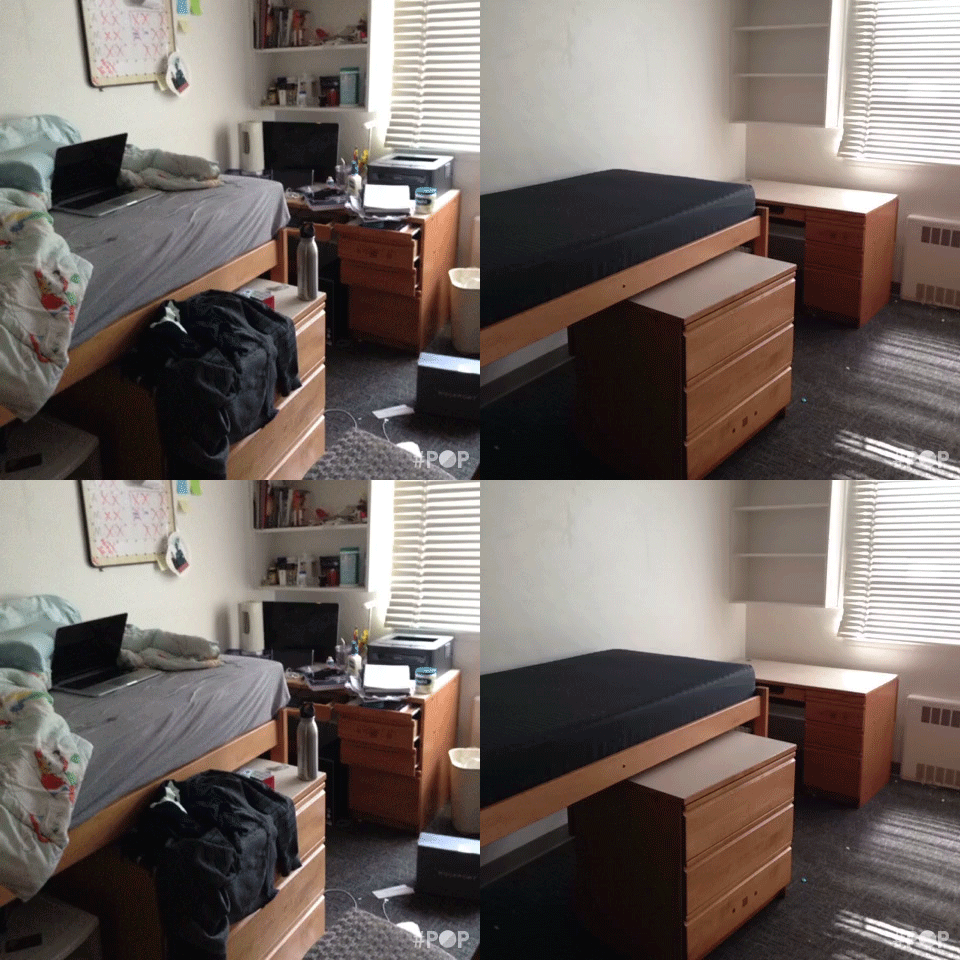
The overriding idea is this: Think of a dorm as a home for tiny little miniature gnomes where everything is 1/4 scale. The keyword is 'Tiny.' A typical dorm has just enough room for the twin size extra long 'beds' it has, the tiny desks and perhaps a tiny bookshelf for each person, and there will be a tiny closet. Space for anything you bring in is really limited.


-Doing laundry during college is not going to be a priority. That doesn't mean bring more clothes. Trust me.
-You'd be surprised how little you actually need in terms of clothing:
  • 4 pairs of pants or jeans
  • 4 shirts
  • 2 hooded sweatshirts
  • 2 or 3 pair of shoes (yes, that seems minimalistic to some)
  • 7 pair socks, 7 underwear
  • 2 pair pajamas or what passes for pajamas
  • jackets, one that's really warm for winter
  • winter scarf or hat, mittens or gloves

So much for clothing.

Here are items actually found in a dorm checklist from a well known store. Revised title:
Completely Pointless Items Nobody Ever Uses in College:
  • Iron and ironing board (you will use these never....and this carries on into adult life)
  • Vacuum (you must be kidding)
  • Your own shower curtain (the great majority of dorm showers are multi-stall and not private)
  • Set of dishes ...skip these, or buy four plates and four bowls from Goodwill or a garage sale. All you really need. Ditto silverware.
  • Sewing kit: Would you actually use it? I thought not.
  • A lap desk?? Really?
  • A jewelry organizer... for what?
  • Bed skirt  (that's actually pretty funny)
                                                              Whatever it is, where would you put it?
  • Several sets of sheets .... Nope, you need one set, maybe two. See laundry habits above.
  • Storage trunk. And this would go where?
  • Shoe storage racks. Everyone knows that shoes are thrown on the floor of the closet.
  • Scale.Seriously?
  • Lounge seating. Where is this lounge exactly??
  • Clothing steamer
  • Coffee maker
  • Dining table (they actually suggested that)
  • Garment Bags


  • Skirt hangers (unless you wear skirts all the time, I suppose)
  • Closet organizer (ha!)
  • Gym bag
  • Socks to wear with rain boots
  • An upgraded shower head, if your school allows it
  • Self Tanning lotion, as well as eye cream, foundation, and concealer
  • Formal clutch (that's a purse you use with a formal dress)
  • Formal dress
  • Little black dress
  • Going out purse (??)
  • Sleep mask
  • Tool kit


Remember, you're sharing the tiny dorm with someone else. Be considerate of your roommate, too.
 
And the most egregious idea ever invented and foisted upon college freshmen and their parents:
(drum roll)                                    ****A futon****


Do not, let me repeat, do not purchase a futon for a dorm room
  • There's not enough room in the dorm
  • They're not fun to carry and wrangle and maneuver into a dorm room
  • They're always bigger than you think they are
  • They're awful to sleep on even if you could get it into the room
  • There's already two or more 'beds' in the room, there is no room for a futon
  • Did I mention there's no room?
  •  Your parent(s) will try valiantly to deliver said futon, and when they've gotten up all 12 floors and realize it won't work, they'll have to bring it back down again. This will not make them happy.
  • On a hot August or early September day, the last thing you want to deal with is moving a futon. Trust me.
  • Yes, you're probably 'lofting' the beds in your dorm. No, that doesn't mean there's room for a futon underneath. A couple of lawn chairs and a cardboard box for a table, yes.

If you want more great examples of what not to bring, simply visit a college campus in the dorm area either at the end of spring or the beginning of fall semester and take a look at the sidewalks and dumpsters: You'll see an abundance of furniture left behind, some of it perfectly good. Those are all things people didn't want or wouldn't fit anywhere, but they didn't care to take back home. You may be able to furnish your first apartment this way....but not a dorm.


Here are some things that actually are helpful:


A Fan.  The great majority of dorms are not air conditioned, and the end of August/beginning of September is hot.


 That's all I can think of. Bring a fan.